
Dry Eyes: Causes, Symptoms, Treatment and Prevention Guide
It starts as a minor irritation. A slight burning at the end of a long day at the computer. A gritty feeling when you wake up in the morning, as if something is in your eye. You blink a few times, and it passes.
Then it comes back. More often. More persistently.
Dry eyes are one of the most underdiagnosed and undertreated eye conditions I see at Dr. Rishi Eye Institute. Patients come in with complaints of tired eyes, blurred vision, redness, and constant discomfort — and many of them have been managing these symptoms with over-the-counter drops for months or even years, without ever getting a proper diagnosis.
What Are Dry Eyes?
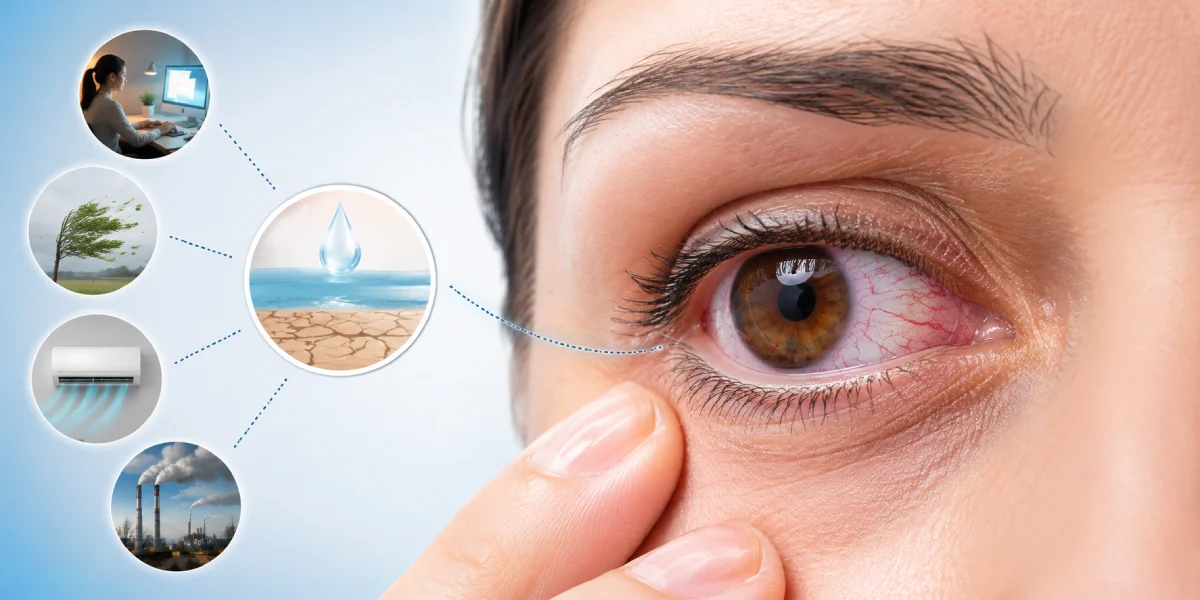
Dry eye disease occurs when your eyes do not produce enough tears, or when the tears they produce evaporate too quickly. Your tear film — the thin layer of moisture covering the surface of your eye — is not just water. It is a carefully balanced combination of three layers: an oily outer layer that prevents evaporation, a watery middle layer, and a mucus inner layer that helps the tear film stick to the eye surface.
When any one of these layers is disrupted, the result is dry eye — a condition that can range from mildly uncomfortable to genuinely debilitating, affecting your ability to work, read, drive, and engage with daily life.
What Causes Dry Eyes?
Dry eyes develop for many reasons, and in most cases, several factors are working together at the same time.
Ageing is one of the most common causes. Tear production naturally decreases as we get older, and this affects both men and women — though women, particularly after menopause, tend to experience it more severely due to hormonal changes.
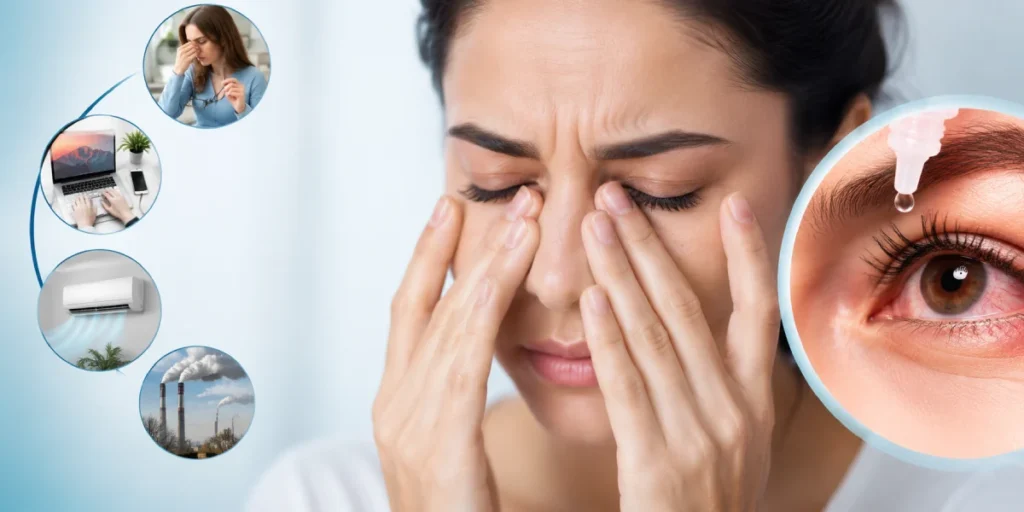
Screen use is a rapidly growing cause, particularly in younger people. When you stare at a screen, you blink significantly less often than normal — sometimes as few as five times per minute instead of the usual fifteen to twenty. Less blinking means the tear film is not refreshed regularly, and the surface of the eye dries out. If you spend long hours on computers, phones, or tablets and your eyes feel consistently uncomfortable by evening, screen-related dry eye is very likely contributing. Our guide on digital eye strain and screen time explains this connection in much more detail.
Environmental factors play a significant role too. Air conditioning, ceiling fans, dry or windy climates, and smoke all accelerate tear evaporation. Many patients notice their symptoms are noticeably worse during winter months or in heavily air-conditioned offices and cars.
Contact lenses can both cause and worsen dry eyes. Lens wear reduces oxygen to the corneal surface and disrupts the tear film, particularly with extended wear or lenses that have not been properly fitted for your eyes.
Certain medications — including antihistamines, antidepressants, blood pressure medications, and oral contraceptives — can reduce tear production as a side effect. If your dry eyes started or worsened after beginning a new medication, this connection is absolutely worth discussing with your doctor.
Symptoms You Should Not Ignore
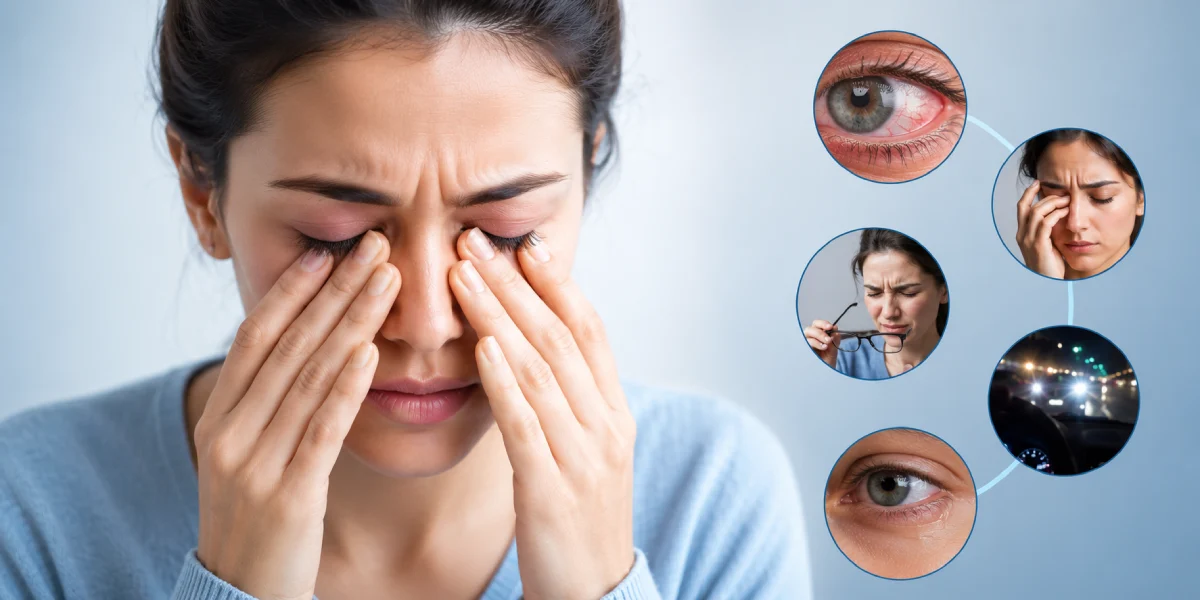
Dry eyes do not always feel dry. This surprises many patients. The symptoms are often misinterpreted as allergies, tiredness, or general eye strain. Common symptoms include:
- A burning, stinging, or gritty sensation — like something is constantly in your eye
- Redness that does not resolve with rest or simple drops
- Blurred vision that improves temporarily when you blink
- Sensitivity to light, particularly in bright or outdoor environments
- Eye fatigue after reading, driving, or screen use
- Difficulty wearing contact lenses comfortably
- Excessive watering — a reflex response where the eye floods with tears that evaporate too quickly to provide lasting relief
- Stringy mucus around the eyes, particularly on waking in the morning
The excessive watering is the symptom that most often confuses patients. They come in saying their eyes are constantly watering — they do not understand why I am telling them they have dry eyes. But this is one of the most classic presentations of dry eye disease, and it is important to understand it properly.
How Is Dry Eye Diagnosed?
A proper dry eye evaluation goes beyond a basic eye test or a quick look at your eyes. At Dr. Rishi Eye Institute, we assess the quality and quantity of your tear production, examine the health of the corneal surface under magnification, and look specifically for signs of meibomian gland dysfunction.
This thorough evaluation is important because the type of dry eye you have directly determines the most effective treatment approach. Treating evaporative dry eye the same way as aqueous deficient dry eye will not give you the results you are looking for.
Treatment Options for Dry Eyes
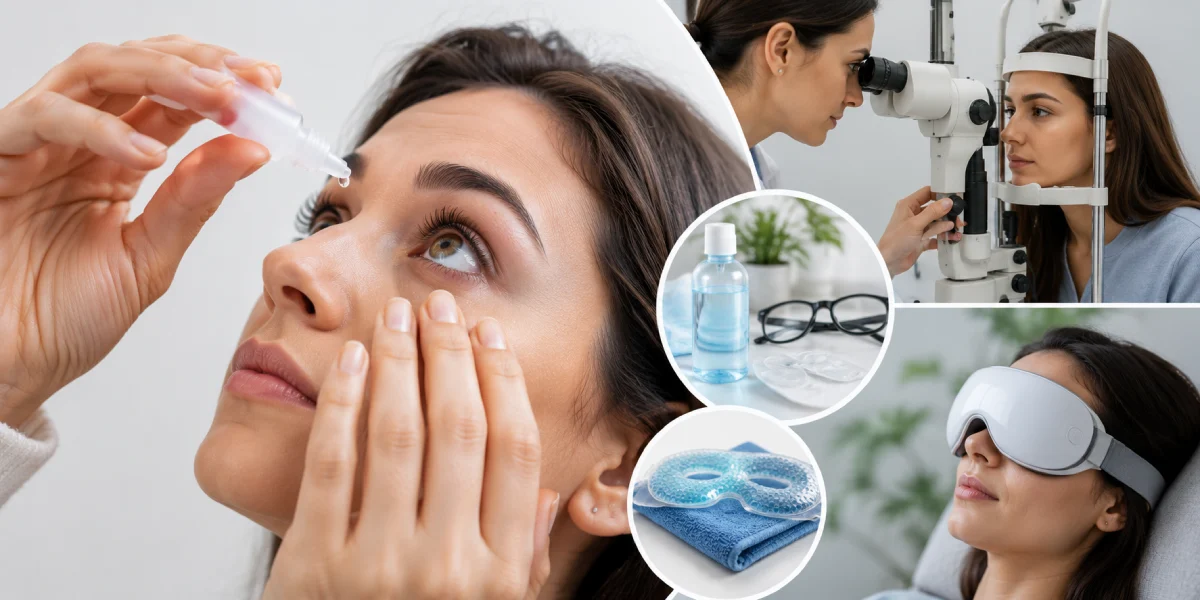
Dry eye is a chronic condition in many patients — meaning it requires ongoing management rather than a single cure. The good news is that with the right personalised approach, most patients achieve significant and lasting relief from their symptoms.
Lubricating Eye Drops are the first line of treatment. Preservative-free artificial tears are recommended for frequent use, as the preservatives in standard drops can themselves irritate when used repeatedly throughout the day. The type of drop — gel, liquid, or oil-based — matters depending on whether your dry eye is primarily aqueous deficient or evaporative.
Warm Compresses and Lid Hygiene are particularly effective when meibomian gland dysfunction is contributing. Applying a warm compress to closed eyes for ten minutes daily softens blocked oil within the glands, improving tear film quality significantly over consistent use. Gentle lid massage after the compress helps express the softened oil.
Omega-3 Supplementation — either through diet or supplements — supports healthy meibomian gland function and improves the oily layer of the tear film over time. Foods rich in omega-3 include salmon, mackerel, walnuts, and flaxseed.
Lifestyle Adjustments make a meaningful and often underestimated difference. Following the 20-20-20 rule during screen use, consciously increasing your blink rate, adjusting the direction of air conditioning and fans, staying well hydrated, and reducing contact lens wear time all help reduce symptom frequency.
Prevention — What You Can Do Starting Today
Even if your symptoms are currently mild, these habits make a real difference over time:
- Take regular screen breaks — every 20 minutes, look away for at least 20 seconds
- Blink deliberately and completely during screen use — partial blinking does not adequately refresh the tear film
- Position screens slightly below eye level to reduce the exposed surface area of your eye
- Use a humidifier in dry or heavily air-conditioned rooms
- Stay well hydrated throughout the day
- Avoid direct airflow from fans, AC vents, or car heaters directed at your face
- Switch to preservative-free drops if you use drops more than four times daily
When Should You See an Eye Specialist?
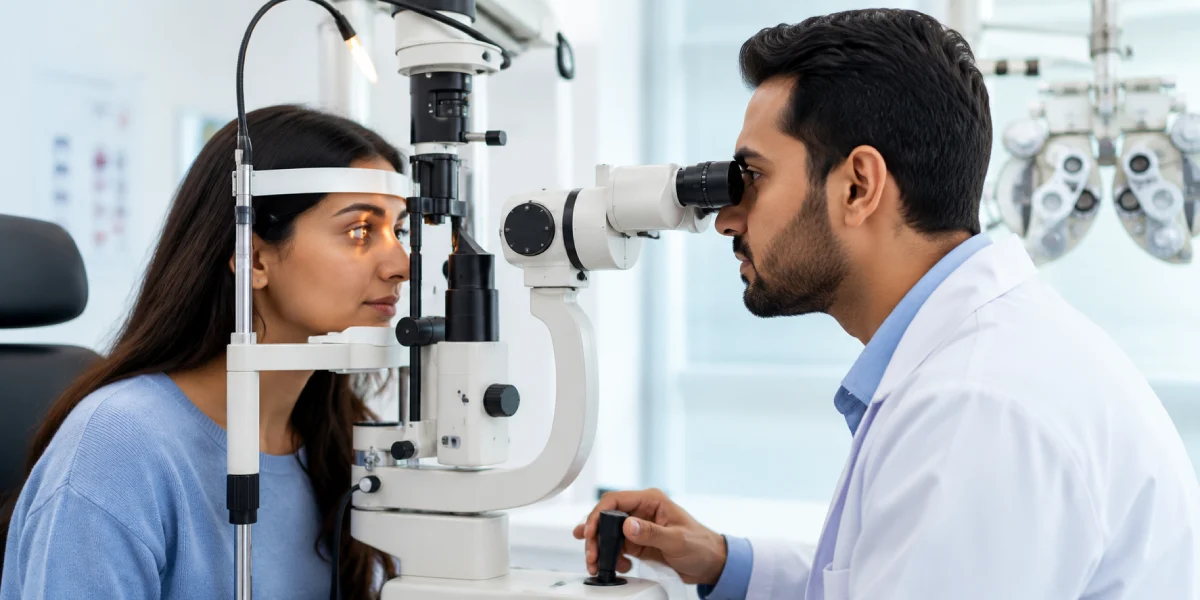
Mild, occasional dryness often responds well to lubricating drops and lifestyle changes. But you should book a proper evaluation if symptoms are persistent or worsening, if you have significant redness or light sensitivity, if your vision is affected, or if you are a contact lens wearer experiencing increasing discomfort.
Dry eyes that are not properly managed can lead to corneal surface damage over time. For a broader understanding of conditions that cause eye discomfort and redness, our guide on red eye causes and treatment explains how to identify what is behind your symptoms and when each cause needs professional attention.
Final Thoughts
Dry eyes are common — but that does not mean you have to simply put up with them. With the right diagnosis and a personalised management plan, the vast majority of patients experience significant improvement in comfort, vision quality, and daily function.
At Dr. Rishi Eye Institute, Karnal, we provide comprehensive dry eye evaluation and tailored treatment for patients across Karnal, Kurukshetra, Panipat, and Haryana. If your eyes have been feeling persistently dry, irritated, or uncomfortable — come in. You deserve to see and feel clearly.
📞 Call us: +91-7015680440 📍 1363/64, Sector-6, Karnal, Haryana – 132001
