

Healthy Eye Care Tips for Older Adults Today
Getting older brings wisdom, experience, and — let us be honest — a few more visits to the doctor. Over the years, I have seen hundreds of patients walk into Dr Rishi Eye Institute with the same concern: “Doctor, my eyes are not the same as before.” And every time, my answer is the same — it does not have to be that way.
Your eyes change as you age. That is natural. But losing your vision? That is largely preventable — if you take the right steps at the right time.
If you are above 50, this guide is written for you.
Why Your Eyes Need More Attention After 50
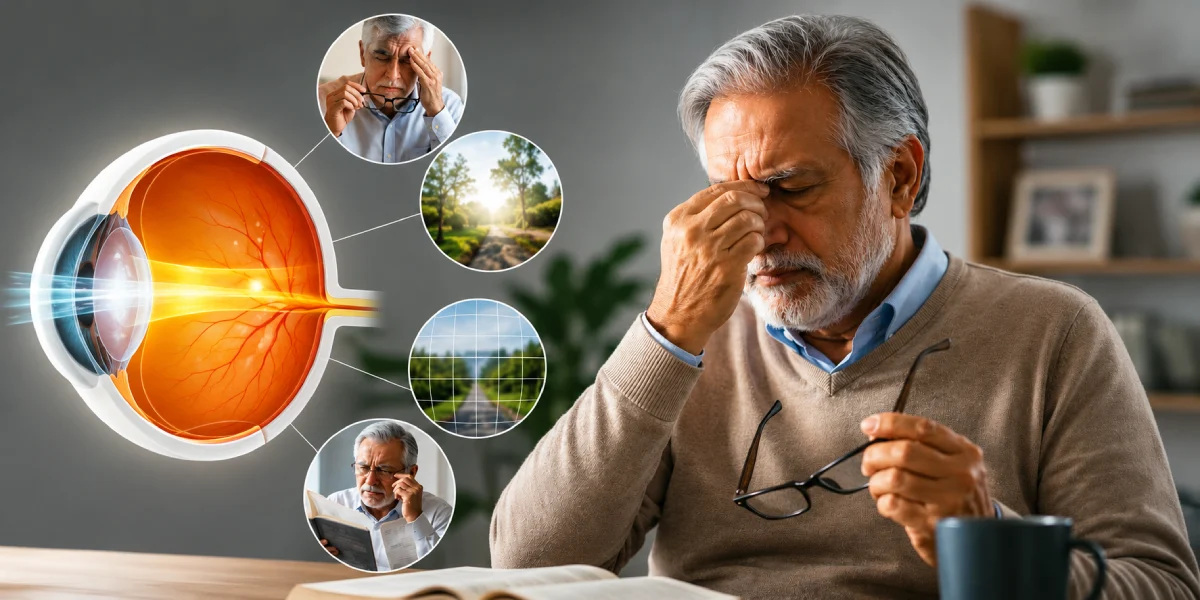
Think about how much your eyes do every single day. Reading, driving, recognising faces, watching your grandchildren play — all of this depends on healthy vision.
After the age of 50, the risk of developing serious eye conditions increases significantly. Conditions like cataracts, glaucoma, diabetic retinopathy, and age-related macular degeneration become far more common. The tricky part? Most of these conditions develop silently — without any pain or obvious warning signs — until the damage is already done.
This is exactly why regular eye care is not optional at this stage of life. It is essential.
1. Get a Comprehensive Eye Examination Every Year
I cannot stress this enough. A comprehensive eye exam is not just about checking whether you need glasses. It is a full health check for your eyes.
During a thorough examination at our eye hospital in Karnal, we check for early signs of cataracts, glaucoma, retinal changes, and other conditions — many of which can be treated effectively if caught early.
If you are above 60, please schedule an eye check-up at least once a year. Even if your vision feels fine. Even if you have no complaints. Because by the time symptoms appear, some damage may already be irreversible.
Early detection is the single most powerful tool we have.
2. Keep Your Diabetes, Blood Pressure, and Cholesterol in Check

Your eyes are directly connected to your overall health — more than most people realise.
High blood sugar damages the tiny blood vessels in your retina, leading to a condition called diabetic retinopathy. High blood pressure and cholesterol do the same. According to the American Academy of Ophthalmology, diabetic retinopathy is one of the leading causes of blindness in adults worldwide — and much of it is preventable with proper diabetes management.
If you are managing any of these conditions, keep your numbers in control. Take your medications regularly. And get your eyes examined — not just your blood reports.
3. Eat for Your Eyes
You have probably heard the saying: ” You are what you eat. When it comes to your vision, this could not be more true.
Foods that support eye health include:
- Green leafy vegetables like spinach and methi are rich in lutein and zeaxanthin
- Carrots and sweet potatoes — high in beta-carotene
- Citrus fruits — packed with Vitamin C
- Fish like salmon and sardines — excellent sources of omega-3 fatty acids
- Eggs and walnuts contain Vitamin B12 and healthy fats
These nutrients protect your retina from oxidative stress and reduce the risk of macular degeneration. Small dietary changes, made consistently over time, make a real difference.
4. Protect Your Eyes from the Sun
Most people do not think about this, but long-term exposure to UV rays is one of the leading causes of cataract surgery in older patients.
Whenever you step outside, wear good-quality UV-protected sunglasses. Not just on sunny days — UV rays penetrate clouds too. A wide-brimmed hat adds extra protection during peak afternoon hours.
This is a simple habit that costs very little but protects your eyes for years.
5. Stay Active — Your Eyes Will Thank You

Regular physical activity improves blood circulation throughout the body — including the blood vessels in your eyes.
You do not need to run a marathon. A 30 to 45-minute walk every day, combined with light stretching or yoga, is enough to make a meaningful difference.
6. Take Smoking Seriously — and Stop
If you smoke, your risk of cataracts, macular degeneration, and optic nerve damage is significantly higher than that of non-smokers. The World Health Organisation links smoking directly to preventable blindness.
Quitting is not easy — I understand that. But every day without a cigarette is a day your eyes get a chance to recover. Talk to your doctor about support options.
7. Manage Dry Eyes Before They Become Chronic
Dry eyes are extremely common in older adults, and they are often dismissed as a minor inconvenience. But left unmanaged, chronic dry eyes can cause real discomfort and affect your quality of life.
Simple steps help a lot: drink enough water, use prescribed lubricating eye drops, avoid sitting directly under an AC or fan, and take breaks from screen use every 20 minutes.
If your eyes feel persistently dry, gritty, or irritated — please do not ignore it. Visit an eye specialist in Karnal and get it assessed properly.
8. Never Ignore Sudden Changes in Vision
Some symptoms need immediate attention. If you or someone in your family experiences any of the following, come in right away — do not wait for a scheduled appointment:
- Sudden loss of vision in one or both eyes
- Flashes of light or new floaters
- Eye pain or redness
- Distorted or double vision
These could be signs of a retinal emergency or retinal detachment — conditions where every hour matters.
Good Vision Is Worth Protecting

Your eyesight shapes how you experience the world. It gives you independence, confidence, and connection. Taking care of your eyes after 50 is not about fear — it is about making sure you never have to miss the moments that matter.
At Dr Rishi Eye Institute, Karnal, we provide comprehensive eye care for older adults — from routine screenings to advanced treatments for cataracts, glaucoma, retina, and more. Our team is here to support you at every step.
If you are above 50 — or have a parent or grandparent who is — book a comprehensive eye check-up today.

1 Comment
Eye Checkup in Karnal | Dr. Rishi Eye Institute
[…] the ones that cause the most damage if they are not caught until the 50s or 60s. Our guide on protecting vision after 50 explains the most common conditions that emerge in this period and why early detection changes […]