

Squint Treatment in Karnal
Looking for trusted squint treatment in Karnal? Dr Rishi Eye Institute is a leading squint hospital in Karnal, offering comprehensive diagnosis and treatment for strabismus (squint) in both children and adults. Squint is a condition where the two eyes do not align in the same direction — one eye may turn inward, outward, upward, or downward while the other looks straight ahead. It can affect a child’s confidence, social interactions, and academic performance, and if left untreated, may lead to permanent vision problems such as amblyopia (lazy eye) or loss of depth perception.
Our experienced squint specialists in Karnal use modern diagnostic tools, including detailed orthoptic evaluation and refraction testing, to accurately assess the type and severity of squint before recommending a treatment plan. Depending on the case, treatment may involve corrective glasses, vision therapy, eye patching, or surgical correction — always chosen with the least invasive, most effective option in mind. As a NABH-accredited squint hospital in Karnal, we combine advanced surgical technique with gentle, child-friendly care, making the process as comfortable as possible for young patients and reassuring for parents.
What is Squint?
Squint, or strabismus, is a condition where the eyes are not aligned properly and point in different directions. It’s common in children but can also affect adults, and if left untreated, may lead to amblyopia (lazy eye) or reduced depth perception. Early squint treatment in Karnal — ideally in childhood — gives the best long-term visual outcomes.
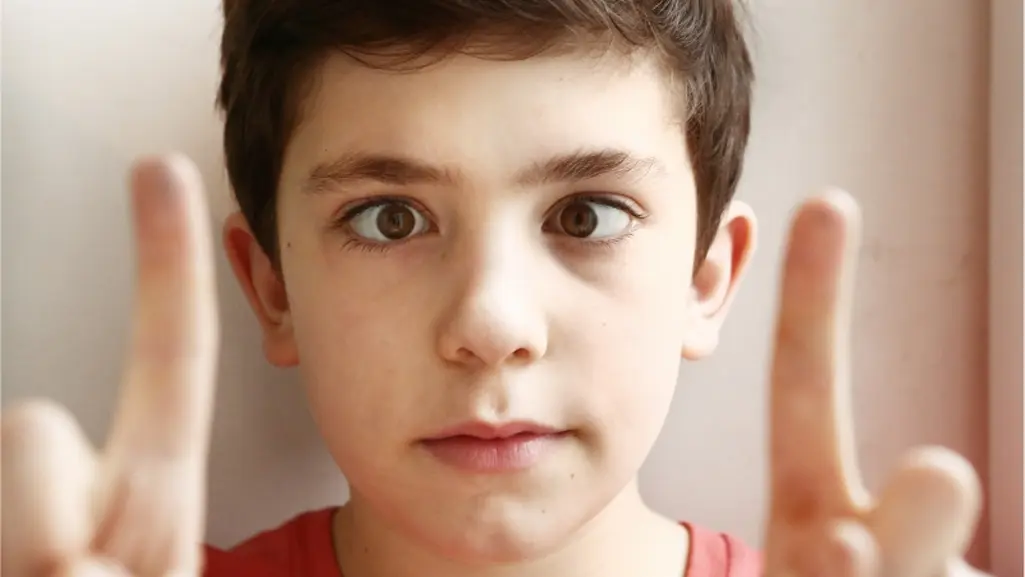
Types of Squint (Strabismus)
1. Esotropia (Inward Turning)
2. Exotropia (Outward Turning)
3. Hypertropia (Upward Turning)
• One eye deviates upward
4. Hypotropia (Downward Turning)
• One eye deviates downward
5.Congenital Squint
• Present since birth or early infancy
6.Acquired Squint
Risk Factors for Squint

Tests to Diagnose Squint
1. Visual Acuity Test
Checks vision clarity
2. Cover Test
Detects eye misalignment
3. Refraction Test
Identifies need for glasses
4. Eye Muscle Movement Test
Evaluates eye coordination
5. Fundus Examination
Checks internal eye health
Why Regular Eye Checkups are Important
- Detect squint early in children
- Prevent lazy eye
- Improve visual development
- Essential for school-going children
Treatment Options for Squint
- Glasses (for refractive errors)
- Eye patching (for lazy eye)
- Eye exercises
- Prism lenses
Frequently Asked Question:
What causes squint?
It occurs due to imbalance in eye muscles, refractive errors, or nerve-related issues.
Can squint be corrected?
Yes, it can be treated with glasses, therapy, or surgery depending on the cause.
Is squint common in children?
Yes, it is more commonly seen in children, especially from birth to early childhood.
What happens if squint is not treated?
It can lead to lazy eye (amblyopia) and permanent vision loss.
At what age should treatment start?
As early as possible—early childhood is ideal for best outcomes.
Is squint surgery safe?
Yes, it is a safe and commonly performed procedure with good success rates.
Inspiring Stories!
Dr rishiraj Singh and his all staff are so cooperative. This eye hospital is doing great job and giving people best treatment.thanks to all team.
Have visited doctor for treatment of allergy in my 5 year old kid's eye. Doctor is very patient . Clinic is clean, staff is helpful and follow covid 19 protocols. Always a satisfying experience.
Dr rishi eye institute is a very good hospital.all staff and dr rishi raj singh very good surgeon.
Hi, I am Dr Baldev Makhija. I have got my laser operation done for Cataract by Dr. Rishi Eye institute. It got operated on 28th January. He did the surgery so well that my bandage was open the next day itself. Now my eyesight is as good that i can see the objects near, medium and far very clearly. I am very thankful to Dr. Rishi for bringing the new sight in my eyes. 5 star rating for him..
Make An Appointment
For any kind of eye surgery or eye- checkup you do not need to go anywhere, you just need to make an appointment with our specialists and you will get answer of every eye-related problem.
- 0184-4076760, 7015680440
- 1363/64, Sector-6 Karnal, Haryana - 132001
- Mon - Sun: 09:00 AM - 07:00 PM